

- Nov 25, 2025
- Posted by: Sébastien Bonneau
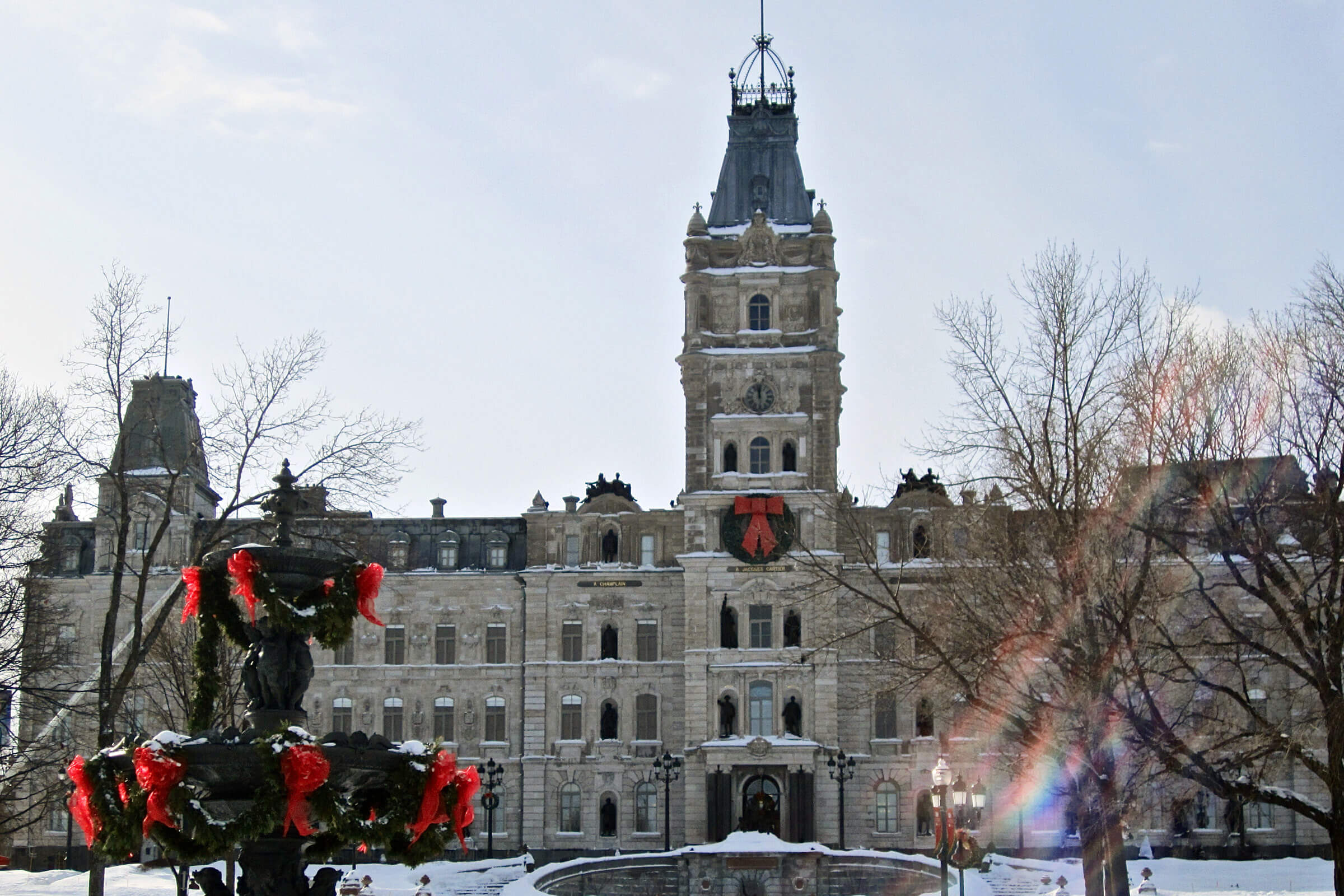
On November 25, 2025, Éric Girard presented an economic update of $8.3 billion: cancellation of the increase in capital gains, extension of accelerated depreciation, reduction of QPP/QPIP premiums and $5.9 billion directly in Quebecers’ wallets.
An $8.3-billion plan to protect Quebecers and businesses
On Tuesday, November 25, 2025, Québec’s Minister of Finance, Éric Girard, unveiled the traditional fall economic and financial update. In a context marked by trade uncertainties and persistent inflationary pressures, the Legault government has chosen to act massively: $8.3 billion in new measures by 2025-2030, of which $5.9 billion will be put directly into Quebecers’ wallets.
1. Purchasing power: $5.9 billion returned to households
The flagship measure remains the full indexation of the tax system ($4.1 billion), which will allow all taxpayers to keep a larger share of their income in the face of inflation. Coupled with other support measures, this injection represents the largest direct return of money to households in several years.
2. Reversal of the increase in the capital gains inclusion rate
Good news for entrepreneurs, investors and individuals: Quebec is following the federal decision and simply cancelling the increase in the capital gains inclusion rate planned for 2025.
- Estimated impact: more than $2 billion that will remain in the Quebec economy rather than in the government’s coffers.
3. Extension and enhancement of accelerated depreciation
The accelerated depreciation measures introduced in 2018, which allow businesses to deduct their capital investments more quickly, are extended and enhanced for an additional five years, in harmony with Ottawa. A clear signal: Quebec wants to remain competitive and attract productive investment despite the protectionist clouds on the horizon.
4. Reduction in social security contributions for nearly 280,000 employers
Effective January 1, 2026, employer contribution rates for the QPP and QPIP will be reduced.
- Annual recurring savings: more than $400 million. A welcome balm on the payroll of companies, especially for SMEs.
5. More than $400 million for vulnerable regions and sectors
In the face of new tariffs and structural challenges, more than $400 million will be injected into regional economic development over five years, including:
- $290 million for agriculture, forestry and fisheries
- A temporary payroll tax holiday of $255 million for these sectors
6. Energy transition: reallocation of surpluses from the fight against climate change
The government has just decided: the surplus of the Electrification and Climate Change Fund, estimated at $1.8 billion as of March 31, 2026, will be paid in full to the Generations Fund in 2026-2027 rather than being reinvested in new climate measures. This fund finances all the measures planned in Quebec to fight climate change, as part of the 2030 Plan for a Green Economy (PEV).
Growth and public finances: upwardly revised forecasts
Despite trade tensions, real GDP growth is now expected to:
- 0.9% in 2025 (unchanged)
- 1.1% in 2026 (slightly higher than expected)
On the fiscal side, the budgetary balance as defined in the Balanced Budget Act shows a deficit of $12.4 billion, or 1.9% of GDP. The path to return to a balanced budget by 2029-2030 is confirmed, as is the objective of reducing net debt to 32.5% of GDP by 2037-2038.
Our analysis at Perspectives:
This update is resolutely geared towards growth and the protection of purchasing power, while respecting a budgetary framework that remains tight. By reversing the increase in capital gains and extending investment incentives, the government is sending a clear message to entrepreneurs and investors that, despite trade uncertainties, Québec intends to remain a competitive and business-friendly jurisdiction. However, there is a downside for companies committed to the energy transition: decarbonization efforts will have to be financed essentially from existing measures and budgets, with the anticipated surplus from the Electrification and Climate Change Fund being entirely redirected to the Generations Fund.
With less than a year to go before the next provincial election, this update also reinforces the CAQ’s position as a prudent and responsible manager of public finances, even in a difficult economic context. It remains to be seen whether, in the spring 2026 budget, the government will choose to maintain this discipline or whether it will be tempted to introduce more electioneering measures. The balance between austerity and electoral measures will then be scrutinised very closely by the markets… and by the voters.
This economic update demonstrates once again that opportunities are emerging for companies and investors. Perspectives Government Strategies Inc. is here to support you in your efforts to influence the Government of Quebec.